🇷🇸 MBBS in Serbia 2026 for Indian Students: Fees, Eligibility, Admission, Universities & Career Opportunities
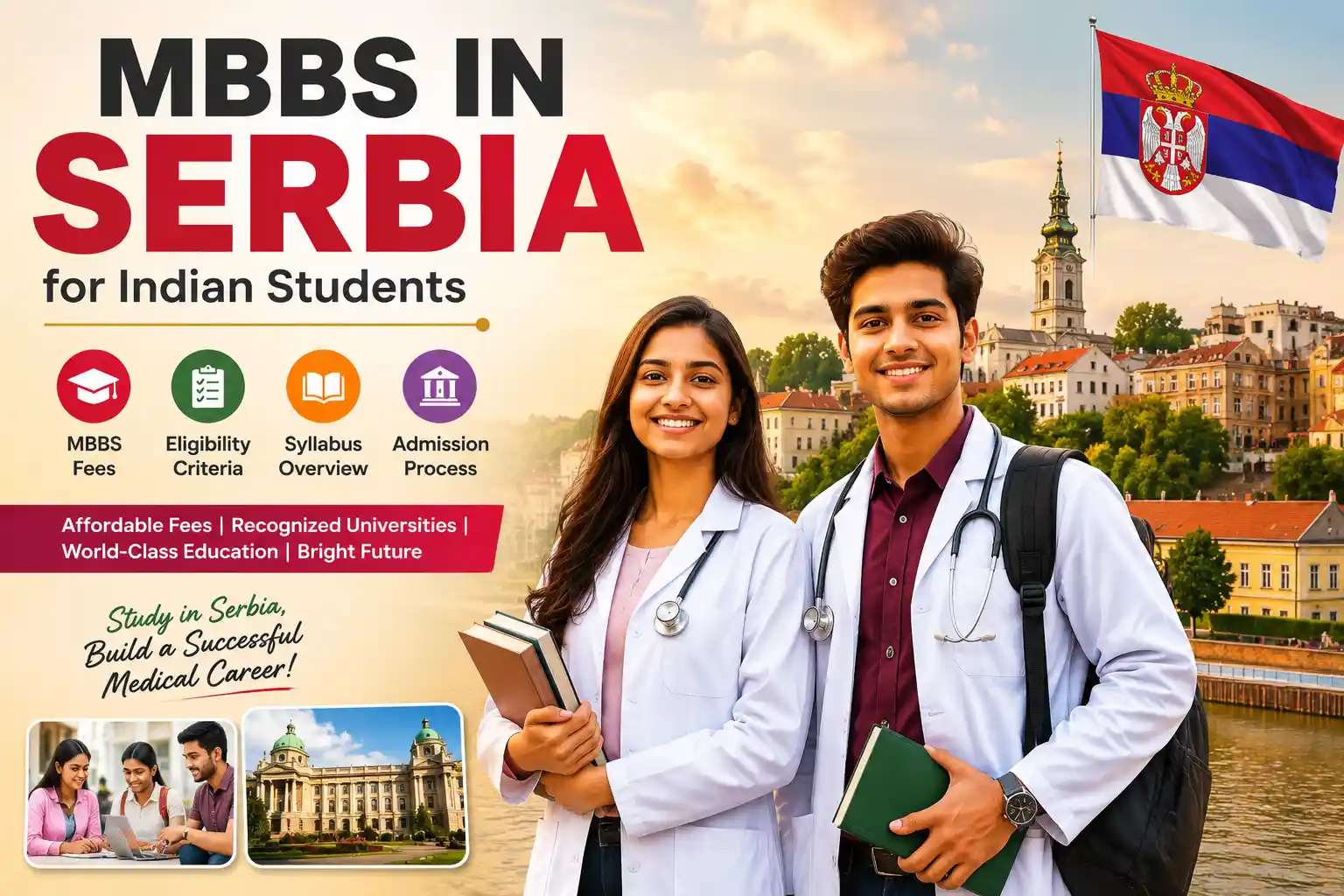
MBBS in Serbia is becoming an increasingly popular option for Indian students who wish to study medicine in Europe. Serbian medical universities offer English-medium medical programs, modern infrastructure, experienced faculty, and clinical training opportunities through affiliated teaching hospitals. Students benefit from a European education system while studying medicine at a comparatively affordable cost.
Every year, thousands of Indian students appear for the NEET-UG examination, but limited government medical seats and high private medical college fees make medical admission highly competitive. As a result, many students explore MBBS abroad destinations that provide quality medical education, international exposure, and globally recognized medical degrees.
For Indian students, MBBS in Serbia 2026 offers a combination of affordable tuition fees, modern medical education, practical clinical training, and an international learning environment. Serbian medical universities focus on both theoretical knowledge and practical skills, helping students build a strong foundation for their future medical careers.
The medical degree in Serbia is generally offered as a Doctor of Medicine (MD) program. The curriculum typically includes basic medical sciences, pre-clinical subjects, clinical subjects, hospital training, and internship-based learning. Students gain exposure to modern healthcare systems and clinical practice throughout the course.
Why Indian Students Choose MBBS in Serbia
- English-medium medical programs
- European-standard medical education
- Modern laboratories and teaching facilities
- Clinical training in affiliated hospitals
- International student environment
- Experienced medical faculty
- Affordable living costs compared to many European countries
- Opportunities for research and practical learning
-
Safe and student-friendly cities
Important Factors to Consider Before Admission
Before applying for MBBS admission in Serbia, students should carefully evaluate:
- University recognition and accreditation
- Tuition fees and living expenses
- Course duration
- Medium of instruction
- Clinical training and hospital exposure
- Internship structure
- Admission requirements
- NEET qualification requirements
- Applicable NMC regulations for Indian students
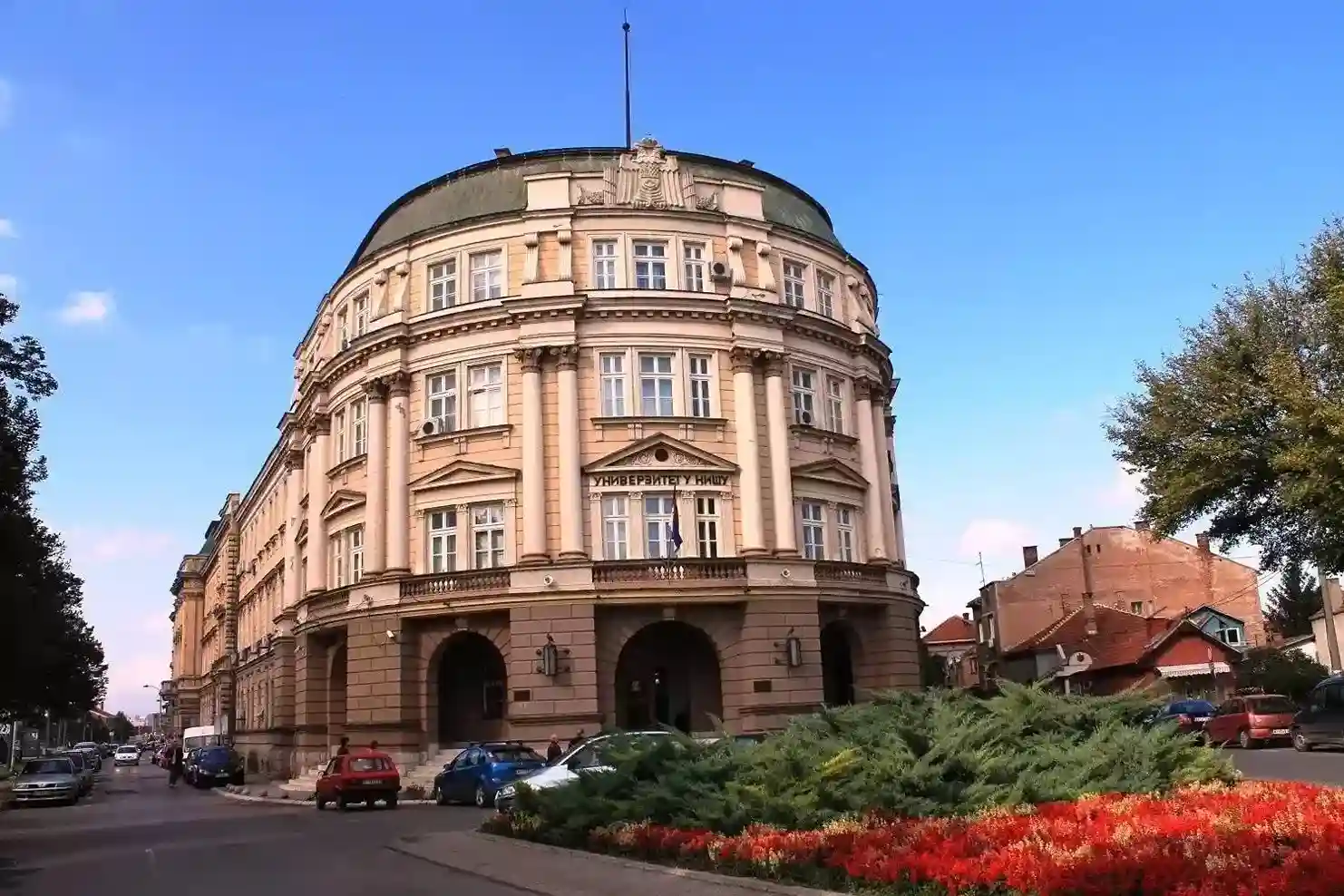
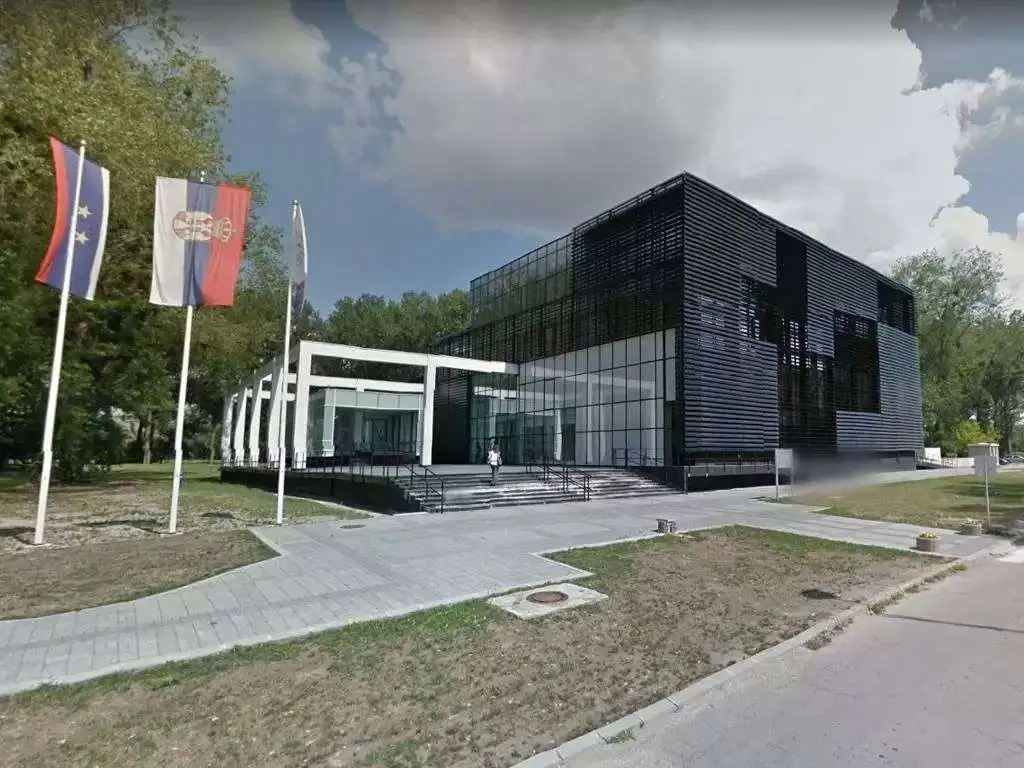
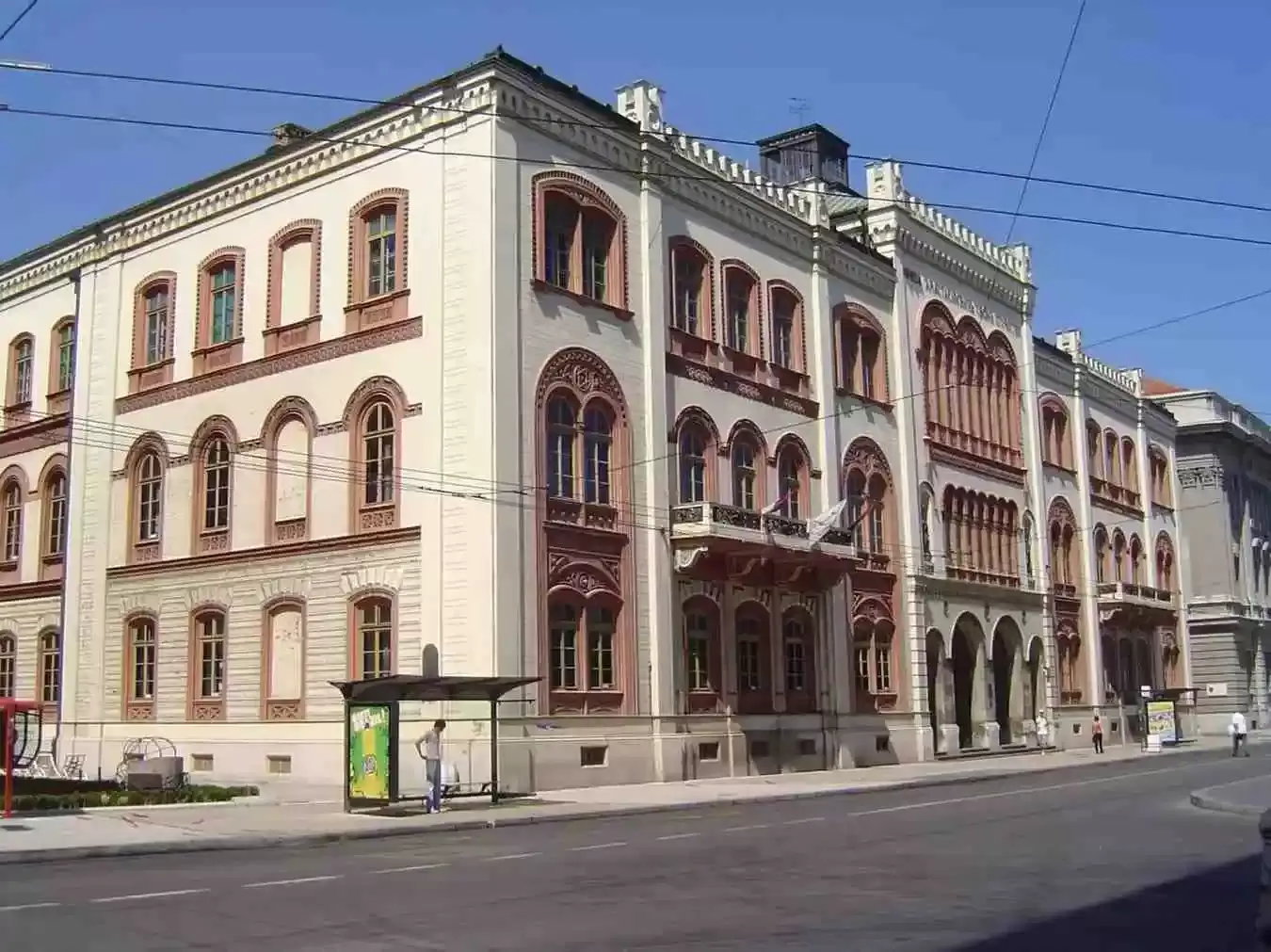
Serbia is located in Southeast Europe and offers a welcoming environment for international students. Popular student cities such as Belgrade, Novi Sad, Niš, and Kragujevac provide modern infrastructure, affordable living options, and quality educational facilities.Indian students planning to study medicine abroad should always verify the latest university eligibility criteria, fee structure, recognition status, and applicable National Medical Commission (NMC) requirements before taking admission.
NEXT Education Overseas provides guidance for Indian students interested in studying MBBS in Serbia, including university selection, admission assistance, documentation support, visa guidance, and pre-departure counselling.
Quick Overview: MBBS in Serbia Intake 2026 for Indian Students
The table below provides a quick summary of important information for Indian students planning to study MBBS in Serbia.
| Particular | Details |
|---|---|
| Course Name | MD (Doctor of Medicine) |
| Country | Serbia |
| Course Duration | 6 Years (Including Clinical Training and Internship) |
| Medium of Instruction | English |
| Eligibility | Pass Class 12 (10+2) with Physics, Chemistry and Biology (PCB) from a recognized board. Students should meet the minimum marks requirement specified by the selected Serbian medical university. |
| Minimum Percentage | As per the selected university's admission requirements |
| NEET Requirement | Indian students should qualify NEET-UG as per the applicable regulations for studying medicine abroad. Students planning to return to India after completing their medical degree should check the latest NMC requirements before admission. |
| Minimum Age | 17 Years |
| Admission Intake | September–October |
| Entrance Examination | Some universities may conduct their own entrance test or interview |
| Degree Awarded | MD (Doctor of Medicine) |
| Tuition Fees | Approximately €6,000–€8,000 per year depending on the university |
| Total Tuition Cost | Approximately €36,000–€48,000 for the complete course |
| Living Expenses | Approximately €250–€500 per month depending on city and lifestyle |
| Accommodation Options | University Hostel, Shared Apartment, Private Accommodation |
| Medium of Clinical Training | Generally English; local language knowledge may help during patient interaction |
| Popular Student Cities | Belgrade, Novi Sad, Niš, Kragujevac |
| Recognition | Students should verify the latest university recognition and applicable requirements before admission |
| Internship | Included as per the university curriculum and programme structure |
| Application Period | Generally begins several months before the academic session |
| Student Visa | Required for international students studying in Serbia |
| Climate | Four distinct seasons with cold winters and warm summers |
| Indian Food Availability | Available in major cities; students can also cook independently |
| Career Options After Graduation | Licensing, postgraduate education, residency programmes, research and healthcare-related opportunities subject to applicable requirements |
Why Consider MBBS in Serbia?
- English-Medium Education – Medical programs are available in English for international students.
- European Medical Education – Study in a European academic environment with modern teaching methods.
- Clinical Training – Practical exposure through affiliated hospitals and clinical rotations.
- Modern Infrastructure – Well-equipped laboratories, classrooms and medical facilities.
- International Environment – Opportunity to study with students from different countries.
- Affordable Living Cost – Daily living expenses are generally lower than many Western European countries.
- Experienced Faculty – Learn from qualified professors and medical professionals.
- Career Opportunities – Graduates can explore licensing, postgraduate education and further medical training subject to applicable requirements.
MBBS in Serbia Eligibility Criteria 2026
Indian students planning to study MBBS in Serbia should carefully check the admission requirements of their selected university before applying. Eligibility criteria may vary slightly between universities, but most Serbian medical universities follow similar academic requirements for international students.
Academic Qualification
Students must complete their higher secondary education with science subjects before applying for admission.
Basic Academic Requirements:
- Complete Class 12 (10+2) from a recognized board.
- Study Physics, Chemistry and Biology (PCB) as compulsory subjects.
- Meet the minimum PCB percentage required by the selected university.
- Keep all academic documents and mark sheets ready during the admission process.
- Some universities may evaluate academic performance before issuing admission confirmation.
Age Requirement
Students should meet the minimum age requirement before admission.
- The applicant should be at least 17 years old on or before the prescribed date of admission.
- Students below the required age may not be eligible for admission.
NEET Requirement for Indian Students
NEET plays an important role for Indian students who wish to study medicine abroad.
- Indian students should qualify NEET according to the applicable regulations.
- NEET qualification is important for students who plan to return to India after completing their medical degree.
- Students should keep their NEET scorecard and related documents safely.
- The latest NEET and NMC requirements should always be checked before admission.
ExaminationSerbia University Entrance Examination
- Appear for an entrance examination.
- Attend an online admission test.
- Participate in an interview.
- Complete a university assessment in Biology and Chemistry.
Admission procedures can vary from one university to another.
Documents Required for Admission
Most universities may ask for the following documents:
- Class 10 Mark Sheet
- Class 12 Mark Sheet
- NEET Scorecard
- Valid Passport
- Passport-size Photographs
- Birth Certificate (if required)
- Medical Fitness Certificate
- Admission Application Form
- Other documents required by the university
Students should check the latest document list issued by the university before applying.
English Language Requirement
Many Serbian medical universities offer medical programs in English for international students.
Students should:
- Be comfortable studying medical subjects in English.
- Understand lectures, practical classes and clinical training conducted in English.
- Check the medium of instruction before admission.
Who Can Apply for MBBS in Serbia?
MBBS in Serbia may be suitable for students who:
- Have completed Class 12 with PCB subjects.
- Have qualified NEET as required.
- Want to study medicine in Europe.
- Are looking for English-medium medical programs.
- Are willing to study in an international learning environment.
- Meet the admission requirements of the selected university.
Important Note for Indian Students
Eligibility requirements can change from one university to another and may also change from one admission session to the next.
Before applying, students should verify:
-
University eligibility criteria
-
Course duration
-
Medium of instruction
-
Entrance examination requirements
-
Tuition fees
-
Internship structure
-
Applicable NMC requirements
-
Latest admission guidelines
Always check the latest university admission rules and official NMC requirements before taking admission to MBBS in Serbia.
Top Medical Universities in Serbia for Indian Students
| Medical University | City | Established | Course Duration | Medium of Instruction | Annual Tuition Fee | Approx. Total Tuition Fee* |
|---|---|---|---|---|---|---|
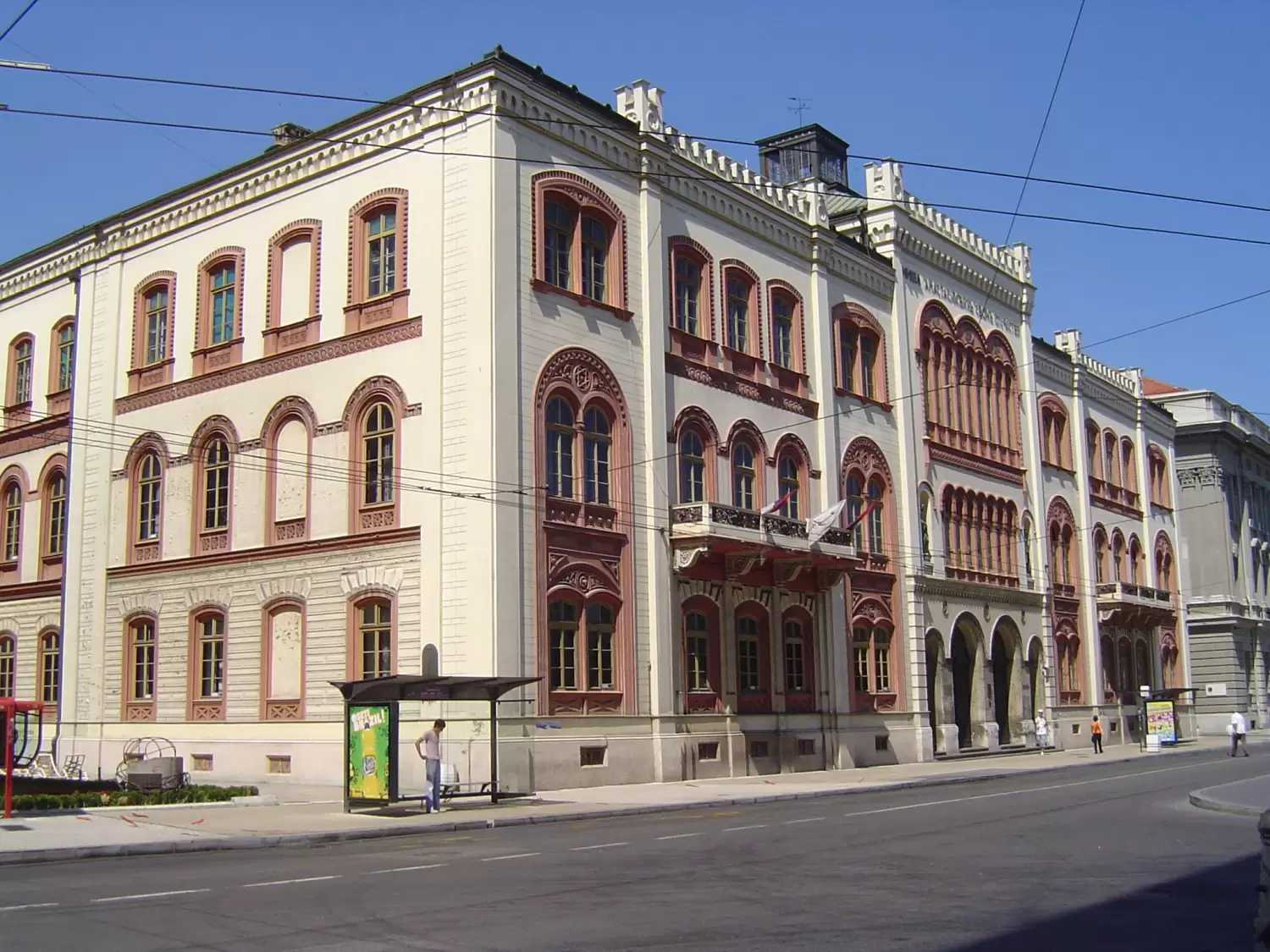
| University of Belgrade – Faculty of Medicine | Belgrade | 1920 | 6 Years | English | €8,000/year | €48,000 |
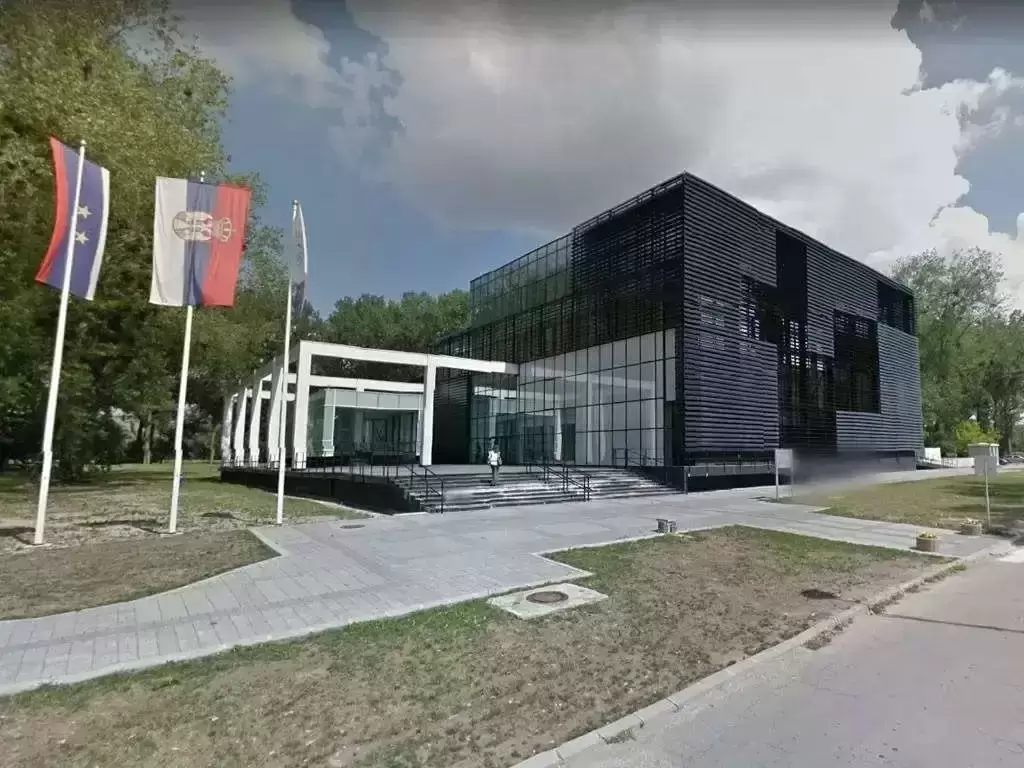
| University of Novi Sad – Faculty of Medicine | Novi Sad | 1960 | 6 Years | English | €7,000/year | €42,000 |
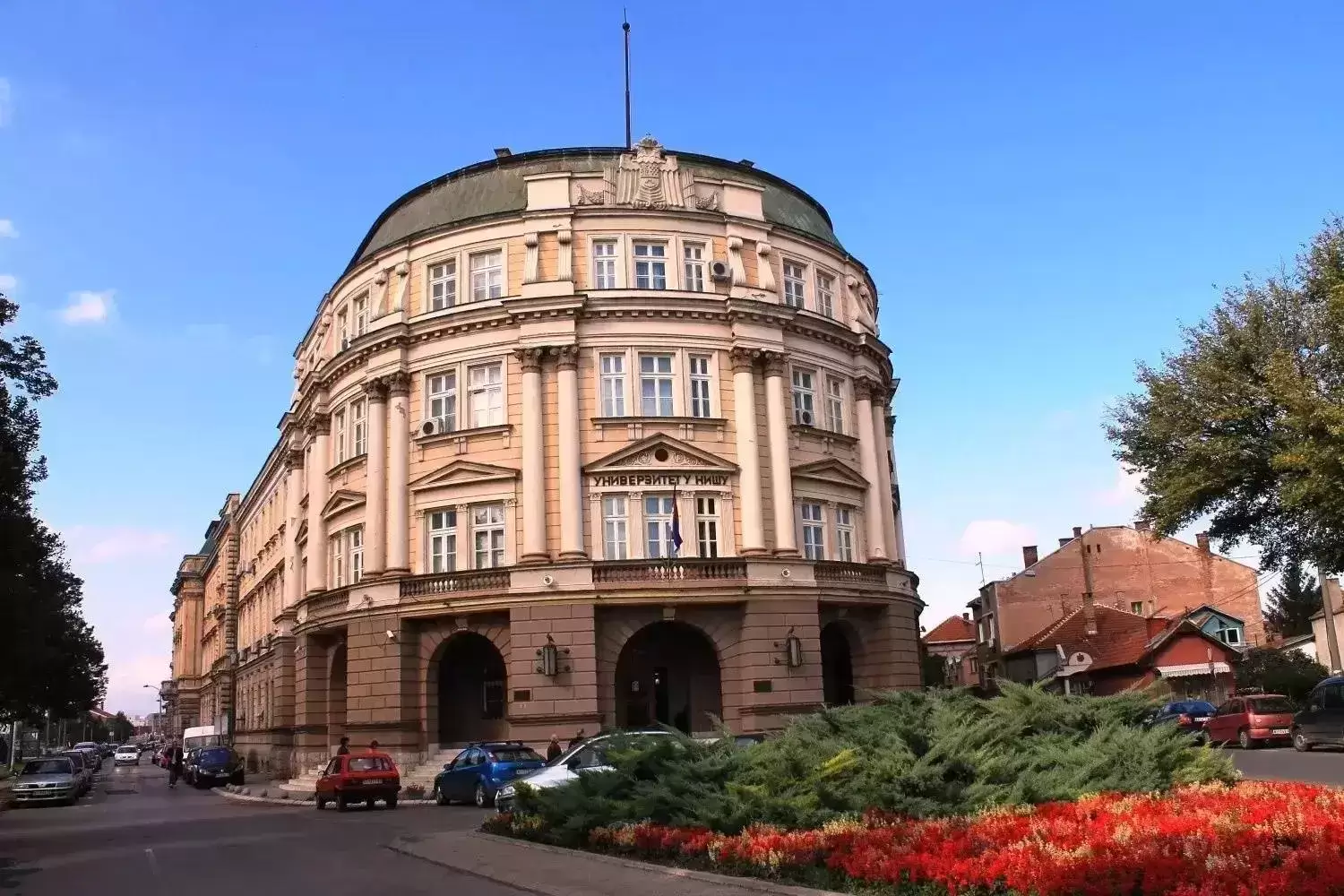
| University of Niš – Faculty of Medicine | Niš | 1965 | 6 Years | English | €7,000/year | €42,000 |
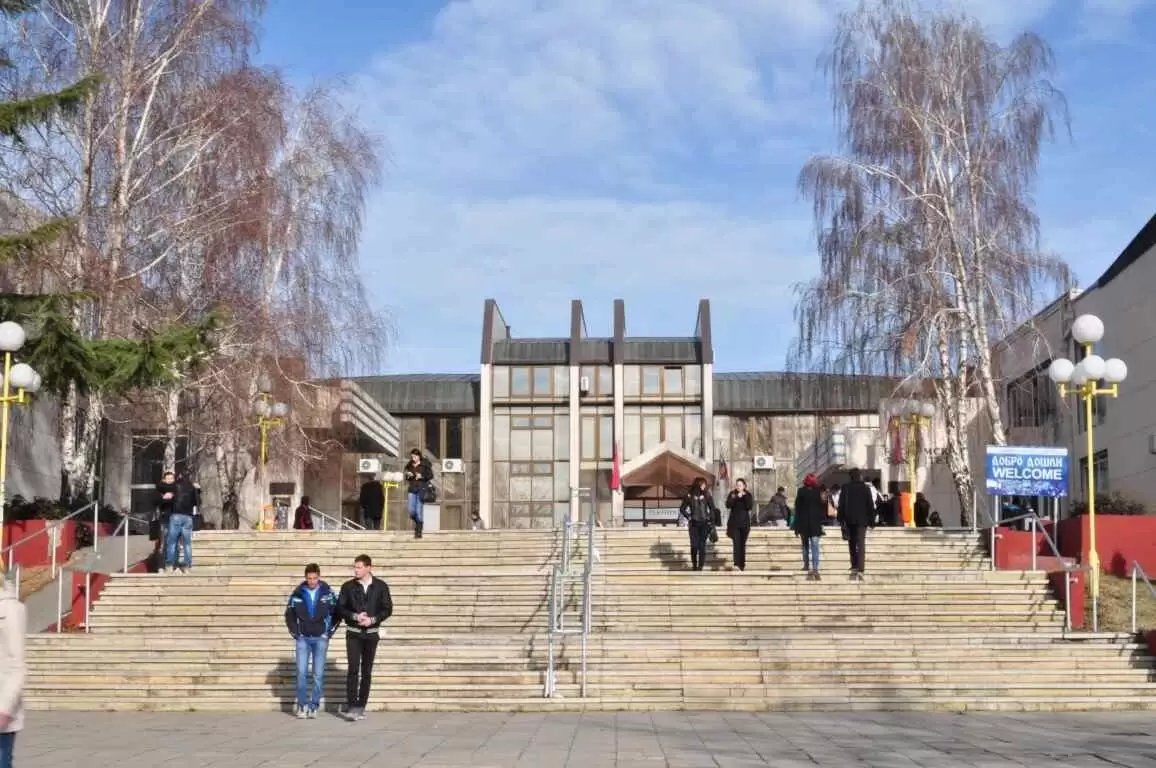
| University of Kragujevac – Faculty of Medical Sciences | Kragujevac | 1976 | 6 Years | English | €6,000/year | €36,000 |
*Approximate total tuition is calculated by multiplying the annual fee by 6. Actual fees can change by academic year, university policy, exchange rates and other applicable charges.
MBBS in Serbia Fees Structure 2026
Tuition fees are only one part of the total cost of studying MBBS in Serbia. Indian students should also plan for accommodation, food, insurance, transportation, visa expenses and other personal costs.
The actual amount depends on the city, university, accommodation type and individual lifestyle.
| Expense | Approximate Cost | Details for Indian Students |
|---|---|---|
| Accommodation / Hostel | €100–€200/month | Students may choose university accommodation, shared apartments or private accommodation. Shared rooms are generally more economical. |
| Food & Groceries | €100–€180/month | Students can manage expenses by using university cafeterias, local restaurants and cooking at home. Indian students can also find Indian and South Asian food options in larger cities. |
| Health Insurance | Varies | International students may need health insurance during their stay. Students should check the university and Serbian immigration requirements before travelling. |
| Local Transportation | €15–€40/month | Public transport such as buses and other city transport can help students travel between accommodation, university and hospitals. |
| Study Materials | €20–€50/month | Books, notebooks, medical equipment, printing and other academic materials may add to the monthly budget. |
| Visa & Residence Permit | Varies | Students should budget for visa, residence permit, document processing, translation and other official charges. |
| Utilities & Internet | €20–€50/month | Private accommodation may require additional payment for electricity, heating, water and internet. |
| Personal Expenses | €30–€80/month | Clothing, mobile phone, entertainment, toiletries and other daily expenses depend on the student's lifestyle. |
| Flight Tickets | Varies | Students should consider the cost of travelling between India and Serbia, especially during admission and holidays. |
| Emergency Fund | As required | Keeping some additional money for medical needs, unexpected travel or other emergencies is recommended. |
Estimated Monthly Living Cost in Serbia
For many students, a reasonable budget can include:
- Accommodation: €100–€200
- Food: €100–€180
- Transportation: €15–€40
- Utilities & Internet: €20–€50
- Personal Expenses: €30–€80
The total monthly budget can therefore vary considerably depending on the student's accommodation and lifestyle.
Accommodation for Indian Students
Indian students can generally consider three main accommodation options:
-
Usually a cost-effective option.
-
Convenient for students.
-
May be close to the university.
-
Shared rooms may be available.
-
Facilities and availability depend on the university.
-
Suitable for students who want more privacy.
-
Rent can be shared with other students.
-
Utilities may be paid separately.
-
Location can affect the total monthly cost.
-
Provides greater privacy and flexibility.
-
Usually costs more than shared accommodation.
-
Students should check the rental agreement carefully before paying any deposit.
Food Expenses for Indian Students
Food costs depend on personal preferences.
Students can reduce expenses by:
- Cooking meals at home.
- Buying groceries from local supermarkets.
- Using university cafeterias.
- Sharing grocery expenses with roommates.
- Eating out occasionally instead of daily.
Students who prefer Indian food should check food availability in their city before choosing accommodation.
Health Insurance and Medical Expenses
International students should understand the health insurance requirements applicable to their student and residence status.
Before travelling to Serbia, students should check:
- Required insurance coverage.
- Policy validity.
- University requirements.
- Residence permit requirements.
- Emergency medical coverage.
- Procedures for using healthcare services.
Visa and Residence Expenses
Students should keep a separate budget for immigration-related expenses.
These may include:
- Student visa expenses, where applicable.
- Residence permit charges.
- Document translation.
- Document notarisation.
- Passport-related expenses.
- Photographs and application charges.
- Travel to the relevant authorities or embassy.
The exact requirements and charges can change, so students should check the latest official instructions before travelling.
Important Note on MBBS Fees in Serbia
The fees shown above are indicative figures for 2026 and should not be treated as a fixed fee guarantee. Tuition fees can differ between programmes and admission years. For example, the University of Belgrade's official English Medicine programme currently lists €8,000 per year for the stated enrolment year.Indian students should confirm the latest official fee structure directly with the selected university before making any payment.
Note: Fees may change by academic session and exchange rate. Students should confirm the latest tuition fee, application fee and payment schedule before admission.
MBBS Course Duration in Serbia
The medical programme in Serbia generally takes 6 years.
- Academic Study: The first years focus on basic and medical sciences.
- Clinical Training: Students study clinical subjects and gain practical experience.
- Internship: Practical training is included according to the university's curriculum and applicable regulations.
- Medium: English-medium programmes are available for international students.
Students should verify the exact curriculum and duration of their chosen university before admission.
Syllabus of MBBS in Serbia for Indian Students
The MBBS/MD syllabus in Serbia covers basic medical sciences, clinical subjects, practical training and a one-year internship. The exact subjects and semester structure may vary by university.
| Year | Major Subjects | Detailed Topics / What Students Study | Practical & Clinical Training |
|---|---|---|---|
| 1st Year | Anatomy | Human body structure, bones, muscles, organs and body systems | Anatomy practicals and laboratory sessions |
| Physiology | Functions of the heart, lungs, nervous system and other body organs | Basic physiology practicals | |
| Biochemistry | Metabolism, proteins, carbohydrates, fats, enzymes and vitamins | Biochemistry laboratory work | |
| Medical Physics | Basic physics principles used in diagnosis and treatment | Medical equipment and practical demonstrations | |
| Medical Informatics | Medical records, healthcare information systems and basic medical data management | Computer-based practical sessions | |
| Latin Terminology | Common Latin terms used in medical science | Medical terminology practice | |
| 2nd Year | Pharmacology | Medicines, drug actions, dosage, side effects and safe use | Prescription and pharmacology practicals |
| Microbiology | Bacteria, viruses, fungi, parasites and infections | Laboratory identification and testing | |
| Immunology | Immune system, antibodies and immune responses | Immunology practicals | |
| Pathophysiology | How diseases affect normal body functions | Clinical case discussions | |
| Hygiene | Public health, sanitation, nutrition and disease prevention | Public health-related practical work | |
| Propedeutics | Basic clinical examination and patient history taking | Introduction to clinical examination | |
| 3rd Year | Pathology | Changes in tissues and organs caused by diseases | Pathology laboratory and case studies |
| Psychiatry | Mental disorders, symptoms, diagnosis and treatment principles | Clinical observation and case discussions | |
| Medical Psychology | Patient behaviour, communication and doctor-patient relationships | Communication and patient-care training | |
| Forensic Medicine | Medical aspects of injuries, death and legal cases | Forensic demonstrations and case studies | |
| Clinical Pharmacology | Clinical use of medicines, drug interactions and treatment principles | Clinical pharmacology exercises | |
| 4th Year | Internal Medicine | Diagnosis and treatment of diseases affecting major body systems | Hospital-based clinical training |
| Surgery | Surgical diseases, procedures and patient management | Surgical ward and operating-room exposure | |
| Pediatrics | Growth, development and diseases in children | Pediatric ward and outpatient training | |
| Gynecology & Obstetrics | Women's health, pregnancy, childbirth and gynecological diseases | Hospital and maternity-unit training | |
| Ophthalmology | Eye diseases, examination and treatment | Eye examination and clinical practice | |
| ENT | Ear, nose and throat diseases | ENT examination and clinical training | |
| Dermatology | Skin diseases, diagnosis and treatment | Dermatology clinical exposure | |
| 5th Year | Advanced Clinical Subjects | Advanced study of Medicine, Surgery and other clinical specialties | Regular hospital rotations |
| Electives | Selected medical specialties according to university curriculum | Specialty-based practical exposure | |
| Clinical Medicine | Diagnosis, treatment planning and patient management | Supervised patient interaction | |
| Hospital Training | Application of theoretical medical knowledge | Ward rounds, clinical cases and practical training | |
| 6th Year | Clinical Rotations | Advanced clinical learning across different departments | Rotations through hospital departments |
| Practical Training | Patient examination, diagnosis and treatment planning | Supervised hands-on clinical practice | |
| Clinical Examinations | Assessment of medical knowledge and clinical skills | Practical and clinical examinations | |
| Professional Preparation | Preparation for medical practice and internship | Clinical case presentations and assessments | |
| One Year Internship / Clinical Practice | Medicine & Surgery | Patient care, diagnosis, treatment and common hospital procedures | Supervised training in medical and surgical departments |
| Pediatrics | Child examination, common pediatric conditions and patient care | Pediatric ward and outpatient training | |
| Gynecology & Obstetrics | Pregnancy care, childbirth and women's health | Maternity and gynecology department exposure | |
| Emergency Care | Initial assessment and management of emergency cases | Supervised emergency department training | |
| Other Clinical Departments | Exposure to specialties included in the university's internship plan | Rotations and practical hospital experience |
What Indian Students Learn During the MBBS Internship?
The one-year internship/clinical practice provides an opportunity to apply classroom knowledge in a hospital environment.
Students may gain experience in:
-
Patient history taking
-
Physical examination
-
Clinical diagnosis
-
Patient monitoring
-
Basic medical procedures
-
Medicine and Surgery
-
Pediatrics
-
Gynecology and Obstetrics
-
Emergency care
-
Hospital ward management
-
Outpatient departments
-
Clinical case discussions
Important: The exact subjects, clinical rotations, internship duration and department-wise training can vary by Serbian university. Indian students should check the latest official curriculum and applicable NMC requirements before admission.
NMC Guidelines for MBBS in Serbia
Indian students planning to study MBBS in Serbia should carefully check the applicable National Medical Commission (NMC) rules before admission. The NMC Foreign Medical Graduate Licentiate (FMGL) Regulations, 2021 apply to foreign medical students covered by these regulations. NMC has also issued further clarifications and FAQs, including an FMG clarification dated 5 March 2026.
| NMC Requirement | Requirement for Indian Students | What Students Should Check Before Admission |
|---|---|---|
| Minimum Course Duration | The foreign medical degree course should have a minimum duration of 54 months. | Check the university's official course duration and academic structure. |
| Medium of Instruction | The medium of instruction should be English. | Confirm that the medical course, including teaching and required training, meets the applicable NMC requirement. |
| Medical Curriculum | The programme should include theory, practical and clinical training equivalent to the MBBS course in India. | Review the complete curriculum and clinical training provided by the university. |
| Clinical Training | Students must receive the required clinical training as part of their medical education. | Check affiliated teaching hospitals, clinical departments and duration of clinical exposure. |
| Internship | Internship requirements are an important part of the FMGL framework. | Check where the internship is completed, its duration and whether it satisfies the applicable NMC requirements. |
| Medical Qualification | The foreign medical qualification must meet the conditions prescribed under the applicable NMC regulations. | Verify the exact degree awarded by the Serbian university. |
| Licensing in the Foreign Country | The FMGL framework includes requirements relating to eligibility for medical registration/licence in the country where the degree is obtained. | Confirm whether the qualification allows the graduate to obtain the required licence/registration in Serbia. |
| Registration in India | A foreign medical graduate must satisfy the applicable requirements for registration and practice in India. | Check the latest NMC and State Medical Council requirements before returning to India. |
| Licensing / Screening Examination | Foreign medical graduates are subject to the examination/assessment requirements applicable under the prevailing regulations. | Check the latest position regarding FMGE/NExT and other applicable requirements. |
| Documents | Students should maintain complete academic and clinical records. | Keep degree certificates, transcripts, internship records, training certificates and other documents safely. |
| Latest NMC Rules | NMC regulations and implementation requirements can be updated. | Check the latest official NMC notification before admission and again before applying for registration in India. |
Important: NMC rules can change. Students should verify the latest official requirements before taking admission.
MBBS in Serbia Admission Process 2026
The admission process for MBBS in Serbia is simple and usually involves the following steps:
Step 1: Choose a Medical University
-
Select the university based on eligibility, fees and course structure.
-
Check admission requirements and intake dates.
Step 2: Submit Documents
-
Class 10 & 12 Mark Sheets
-
NEET Scorecard
-
Passport
-
Passport-size Photographs
-
Other required documents
Step 3: Apply for Admission
-
Complete the university application form.
-
Submit the required documents.
-
Pay the application fee, if applicable.
Step 4: Entrance Test (If Required)
-
Some universities may conduct an entrance exam or interview.
-
Subjects may include Biology and Chemistry.
Step 5: Receive Admission Letter
-
The university reviews the application.
-
Eligible students receive an admission or offer letter.
Step 6: Apply for Student Visa
-
Prepare visa documents.
-
Submit the visa application.
-
Complete the required formalities.
Step 7: Travel to Serbia
-
Arrange accommodation and travel.
-
Complete pre-departure preparations.
-
Begin your MBBS journey in Serbia.
Note: Admission requirements and procedures may vary by university. Students should always check the latest official university guidelines before applying.
Living Cost in Serbia for Indian Students
The cost of living in Serbia is generally affordable for Indian students. Monthly expenses depend on the city, accommodation, food choices and personal lifestyle.
| Expense | Approx. Monthly Cost | What It Includes |
|---|---|---|
| Accommodation | USD 100–120 | Hostel or shared accommodation, depending on the university and city |
| Food & Groceries | USD 100–150 | Daily meals, groceries and basic food items |
| Transport | USD 10–20 | Local buses, trams, trains and student transport passes |
| Utilities & Internet | USD 20–30 | Electricity, heating, water, internet and other basic utilities |
| Miscellaneous | USD 30–50 | Mobile recharge, personal items, study materials and other small expenses |
| Estimated Total | USD 200–250/month | Approximate monthly living expenses for a student |
Tips to Reduce Living Expenses
- Choose shared accommodation to reduce rent.
- Use student transport passes for daily travel.
- Cook at home instead of eating out regularly.
- Buy groceries from local supermarkets and markets.
- Plan a monthly budget for food, transport and personal expenses.
- Living costs may be higher in Belgrade than in smaller Serbian cities.
- Students should keep some extra funds for medical, travel and emergency expenses.
Note: The above figures are approximate. Actual living costs can vary by city, accommodation type and individual lifestyleStudents should keep some additional budget for personal expenses, travel and other requirements.
Student Life in Serbia
Serbia offers a multicultural environment for international students.
- Public transport is available in major cities.
- Students can use buses, trams and trains.
- Student discounts may be available.
- Major cities have shopping, healthcare and other facilities.
- Belgrade, Novi Sad, Niš and Kragujevac are popular student cities.
- Indian students can experience European culture while studying medicine.
MBBS in Serbia vs MBBS in India
| Aspect | MBBS in Serbia | MBBS in India |
|---|---|---|
| Course Duration | Around 6 years, depending on the university and programme structure | Usually around 5.5 years, including internship, as applicable |
| Medium of Instruction | English-medium programmes are available for international students | Mainly English |
| NEET Requirement | NEET qualification is required for Indian students under applicable rules for studying medicine abroad | NEET is required for admission to MBBS programmes in India |
| Tuition Fees | Fees vary by university and programme | Fees vary widely between government and private medical colleges |
| Clinical Training | Clinical training is provided through university-affiliated hospitals and clinical centres | Clinical training is provided through medical colleges and teaching hospitals |
| Admission Process | Admission depends on university-specific eligibility, documents, entrance requirements and deadlines | Admission is generally through NEET and applicable counselling procedures |
| Competition | Students may have more university options, but eligibility and admission requirements still apply | High competition, especially for government medical college seats |
| International Exposure | Opportunity to study with students from different countries and cultural backgrounds | Mainly a familiar Indian academic and cultural environment |
| Living Environment | Students need to adjust to European lifestyle, weather, language and culture | Students remain in a familiar Indian environment |
| Accommodation | University or private accommodation options may be available, depending on the city | Hostel and private accommodation options are available |
| Career Path | Graduates may explore opportunities in Serbia or other countries, subject to licensing and eligibility requirements | Graduates can pursue medical practice and higher studies in India, subject to applicable regulations |
| Best Suited For | Students looking for European medical education and international exposure | Students who prefer to study and build their medical career in India |
Note: Fees, course duration, admission rules, clinical training, and recognition requirements can vary by university. Indian students should check the latest NMC requirements and the individual university's official admission rules before applying.
Career Opportunities After MBBS in Serbia
After completing an MD/medical degree in Serbia, graduates can explore different career options.
Practise in India
- Meet the applicable NMC requirements.
- Qualify the required licensing examination, if applicable.
- Complete the required registration process.
Postgraduate Studies
Graduates can explore:
- MD/MS programmes
- Residency
- Medical specialisation
- Further medical education
Work Abroad
Graduates may explore medical opportunities in countries such as:
- USA
- UK
- Germany
- Other European and international destinations
Each country has its own licensing and registration requirements.
Research and Healthcare
Graduates may also explore:
- Medical research
- Teaching
- Healthcare services
- Academic opportunities
Admission Intake for MBBS in Serbia
The admission schedule depends on the university.
- Applications generally open several months before the academic session.
- Entrance examinations may have separate dates.
- Students should check university deadlines regularly.
- Visa processing should be completed before travelling.
- The academic session generally begins around September or October.
Students should always confirm the latest dates directly with the selected university.
Important Things to Check Before Admission
Before choosing MBBS in Serbia, students should check:
- University recognition
- Applicable NMC requirements
- Course duration
- Medium of instruction
- Tuition fees
- Hostel and accommodation
- Clinical training
- Internship requirements
- Entrance examination
- Visa requirements
- Total cost of education and living
Need Help for MBBS Admission in Serbia 2026?
Planning to study MBBS in Serbia?
NEXT Education Overseas can help with:
- University selection
- Eligibility guidance
- Admission process
- Document preparation
- Visa assistance
- Pre-departure support
[Get Free Counselling]
Frequently Asked Questions
Is MBBS in Serbia a good option for Indian students?
Yes. Serbia offers accredited medical programmes in English, and several Serbian universities have established programmes for international students. Indian students should check the university’s current eligibility and Indian regulatory requirements before admission.
How long is MBBS in Serbia?
The Medicine programme in Serbia is generally 6 years / 12 semesters, equivalent to 360 ECTS credits.
Is Medicine taught in English in Serbia?
Yes. Major Serbian medical universities offer Medicine programmes in English for international students. The University of Belgrade, Novi Sad and Niš all list English-language Medicine programmes.
Is NEET required for Indian students to study Medicine in Serbia?
Indian students should meet the applicable NMC requirements, including NEET-UG qualification where required for Indian students seeking to study medicine abroad. Students should verify the latest NMC rules before admission.
What is the tuition fee for MBBS in Serbia?
Fees vary by university. For example, the 2026/27 Medicine tuition listed by the University of Novi Sad is €7,000 per year, while the University of Niš lists €6,000 for its English Medicine programme.
Do Serbian medical universities conduct an entrance exam?
Yes. Requirements vary by university. For example, the University of Novi Sad requires entrance examinations in Biology and Chemistry for Medicine in English
Can Indian students study Medicine completely in English?
Yes. At Serbian universities offering Medicine in English, the programme can be conducted in English, including teaching and practical components. The Embassy of India in Belgrade specifically notes that English-language medical programmes have the same teaching hours, practical training and educational content as the Serbian-language programmes
What documents are required for admission to Medicine in Serbia?
Common requirements include a secondary-school diploma and transcripts, passport, application documents, proof of English proficiency where required, and recognition/translation of foreign educational documents. Exact requirements differ by university.
Are hostel and accommodation facilities available for Indian students in Serbia?
Accommodation options are available, but availability and arrangements vary by university and city. International students may use university accommodation where available or arrange private apartments/shared housing.
What are the advantages of studying MBBS in Serbia for Indian students?
MBBS in Serbia can offer Indian students English-taught medical programmes, European academic exposure, modern teaching facilities and opportunities for clinical training. However, students should compare universities carefully and verify the programme's current eligibility, fees, clinical training and applicable NMC/FMGL requirements before admission.
MBBS Admission Procedure

Counselling Admission
Free counseling of students base your academics and Neet score, financial background & Medical career goals
1
2

University & Course Selection
Get specifically curated university shortlisting along with mentor guidance and direct university connect.

Document Guidance help education loan documents
Complete documentation process hand-holding and instant application in dream universities with the help of our experts.
3
4

Invitation letter
Using international fund transfer, pay your college fee to Confirm your Admission

Confirm your admission after pay fees
Post-completion of document notarization and translation, the university issues an admission letter.
5
6

Visa & travel forex card assistance
Parents face a financial crisis So we are here to help you manage all the education Loan help documentation tuition fees we will help you forex card Assistance book flight tickets

Pre Departure Guidance
Pre-departure briefing is a complete information package that ensures the student is fly well prepared towards the country they are going to at the Pre Departure
7
Top Medical Universities
Admission open, No donation, Govt. Universities, Direct admission
Tuition Fees: €3000 EURO PER SEMESTER