🇷🇺 MBBS in Russia for Indian Students: MBBS Fees, Eligibility, Syllabus & Admission Process
Introduction
MBBS in Russia is a popular option for Indian students who want to pursue medical education abroad at a comparatively affordable cost. Russia has a long-established medical education system, modern teaching facilities, experienced faculty, and several universities that offer medical programs for international students.
Every year, many Indian students explore MBBS abroad because of the limited availability of affordable medical seats in India and the high cost of private medical education. Russian medical universities provide international students with opportunities to study medicine in a structured academic environment with classroom education, laboratory training, and clinical exposure.
For Indian students, choosing the right university is especially important. Before taking admission, students should check the university's current course structure, medium of instruction, fee structure, clinical training, internship arrangements, and compliance with the applicable National Medical Commission (NMC) requirements.
Why Study MBBS in Russia?
- Affordable medical education compared with many private medical colleges in India.
- NMC-compliant medical universities for eligible Indian students.
- English-medium MBBS programs available at several universities.
- Modern laboratories, research facilities and teaching hospitals.
- Strong clinical training through university-affiliated hospitals.
- International student-friendly environment.
- Globally recognised medical degrees.
- Wide range of universities with different fee structures and locations.
- Safe student accommodation and hostel facilities.
- Opportunities for international exposure and cultural diversity.
Quick Overview: MBBS in Russia Intake 2026 for Indian Students
| Particular | Details |
|---|---|
| Course Name | MBBS / MD (Doctor of Medicine) |
| Country | Russia |
| Course Duration | 6 Years (Including Clinical Training and Practical Education) |
| Medium of Instruction | English (Available at Many Universities) |
| Eligibility | Pass Class 12 (10+2) with Physics, Chemistry and Biology (PCB) from a recognized board |
| Minimum Percentage | As per the selected university's admission requirements |
| NEET Requirement | Indian students should qualify NEET-UG as per applicable regulations for studying medicine abroad and future medical registration in India |
| Minimum Age | 17 Years |
| Admission Intake | September–October |
| Entrance Examination | Most universities offer direct admission; some may conduct an entrance test or interview |
| Degree Awarded | MD (Doctor of Medicine) / MBBS Equivalent |
| Tuition Fees | Approximately ₹3.5 Lakhs – ₹8 Lakhs per year depending on the university |
| Total Tuition Cost | Approximately ₹20 Lakhs – ₹50 Lakhs for the complete course |
| Living Expenses | Approximately ₹15,000 – ₹35,000 per month depending on city and lifestyle |
| Accommodation Options | University Hostel, Shared Apartment, Private Accommodation |
| Medium of Clinical Training | English; Russian language is generally taught for patient communication during clinical training |
| Popular Student Cities | Moscow, Kazan, Saint Petersburg, Samara, Volgograd, Kursk, Omsk |
| Recognition | Students should verify the latest university recognition, accreditation and applicable NMC requirements before admission |
| Clinical Training | Conducted in university-affiliated hospitals and healthcare centres |
| Internship | Included as per university curriculum and programme structure |
| Application Period | Generally May to August for September Intake |
| Invitation Letter | Usually issued within 2–6 weeks after application approval |
| Student Visa | Required for international students studying in Russia |
| Climate | Long cold winters and mild to warm summers depending on the region |
| Indian Food Availability | Available in major cities; Indian mess and self-cooking options are available |
| Safety | Most university cities are considered safe for international students when university guidelines are followed |
| Career Options After Graduation | Medical Licensing, Postgraduate Studies, Residency Programmes, Research, Healthcare and International Career Opportunities subject to applicable regulations |
| NMC Compliance | Students should verify that the selected university and medical programme comply with the latest FMGL Regulations 2021 and NMC advisories |
| Licensing Exam After Graduation | Foreign Medical Graduates must comply with the applicable licensing and registration requirements prescribed by Indian authorities |
Why Choose NEXT Education Overseas?
- 4.9 Google Rating from Students & Parents
- Free MBBS Abroad Counselling
- NMC-Compliant University Guidance
- Admission & Documentation Support
- Visa Assistance
- Pre-Departure Orientation
- Hostel & Accommodation Assistance
- Continuous Student Support Throughout the Course
MBBS in Russia Eligibility for Indian Students
Indian students who wish to pursue MBBS in Russia must fulfill the applicable eligibility requirements for admission to a foreign medical programme. Students should also ensure that the selected university and programme comply with the applicable NMC/FMGL requirements.
| Eligibility Criteria | Requirement |
|---|---|
| Age | The student should meet the applicable minimum age requirement for admission to the medical programme. |
| Academic Qualification | The student should have completed Class 12 with Physics, Chemistry, Biology and English from a recognized board. |
| NEET | Indian students should qualify NEET as applicable for admission to a foreign medical course. |
| PCB Subjects | Physics, Chemistry and Biology should be studied as required under the applicable eligibility rules. |
| Passport | A valid passport is required for university admission, visa processing and travel to Russia. |
| University Requirements | Students must also satisfy the admission, documentation and other requirements of the selected Russian medical university. |
Important Eligibility Information
Meeting the basic eligibility criteria does not automatically guarantee admission. Students should verify the course duration, medium of instruction, curriculum, clinical training, internship structure and applicable NMC/FMGL requirements before selecting a Russian medical university.Eligibility requirements may vary depending on the university and admission year. Students should therefore confirm the latest admission and documentation requirements before submitting their application.
NEXT Education Overseas can assist Indian students with university selection, eligibility assessment, documentation, application formalities, admission guidance and visa assistance for MBBS in Russia.
MBBS in Russia Fees Structure for Indian Students 2026
The cost of studying MBBS in Russia varies depending on the medical university, city, programme, hostel facilities, admission year and prevailing exchange rates. For Indian students, the MBBS in Russia fees generally include tuition fees, hostel accommodation, medical insurance, visa-related expenses, food and other living costs. Therefore, students should compare the MBBS fees in Russia for Indian students along with the overall cost of living before selecting a university.
While comparing the Russia MBBS fees, Indian students should also consider hostel charges, clinical exposure, university recognition, medium of instruction and applicable NMC compliance requirements. The total cost of MBBS in Russia for Indian students may also vary because of currency fluctuations and additional living expenses. Students are advised to verify the latest tuition fees and other charges with the respective university before taking admission.
| Medical University | City | Established | Course Duration | Medium of Instruction | Approx. Tuition Fee | 1st Year Fees (RUB / INR) | 2nd–6th Year Fees (RUB / INR) | Total Course Fees (RUB / INR) |
|---|---|---|---|---|---|---|---|---|
| Kazan State Medical University | Kazan | 1814 | 6 Years | English | ₹6.36 Lakh/year | 7,13,000 / ₹7,84,300 | 6,24,000 / ₹6,86,400 | 38,33,000 / ₹42,16,300 |
| MEPHI (Moscow Campus) | Moscow | 1942 | 6 Years | English | ₹6.81 Lakh/year | 6,96,820 / ₹7,66,502 | 6,81,363 / ₹7,49,496 | 41,36,200 / ₹45,13,982 |
| Kazan Federal University | Kazan | 1804 | 6 Years | English | ₹6.53 Lakh/year | 6,93,000 / ₹7,62,300 | 6,79,000 / ₹7,46,900 | 40,88,000 / ₹44,96,800 |
| Novosibirsk State University | Novosibirsk | 1959 | 6 Years | English | ₹6.90 Lakh/year | 6,90,000 / ₹7,59,000 | 6,71,000 / ₹7,38,100 | 40,45,000 / ₹44,49,500 |
| North Western State Medical University | Saint Petersburg | 2011 | 6 Years | English | ₹6.10 Lakh/year | 6,10,000 / ₹6,71,000 | 5,92,000 / ₹6,51,200 | 35,70,000 / ₹39,27,000 |
| Far Eastern Federal University | Vladivostok | 1899 | 6 Years | English | ₹5.72 Lakh/year | 5,72,000 / ₹6,29,200 | 5,51,000 / ₹6,06,100 | 33,27,000 / ₹36,59,700 |
| Volgograd State Medical University | Volgograd | 1935 | 6 Years | English | ₹5.05 Lakh/year | 5,70,250 / ₹6,27,275 | 5,51,250 / ₹6,06,375 | 33,26,500 / ₹36,59,150 |
| MEPHI (Obninsk Campus) | Obninsk | 1942 | 6 Years | English | ₹5.43 Lakh/year | 5,43,460 / ₹5,97,806 | 5,28,000 / ₹5,80,800 | 31,83,460 / ₹35,01,806 |
| Samara State Medical University | Samara | 1919 | 6 Years | English | ₹5.07 Lakh/year | 5,07,000 / ₹5,57,700 | 4,50,000 / ₹4,95,000 | 27,57,000 / ₹30,32,700 |
| Voronezh State Medical University | Voronezh | 1930 | 6 Years | English | ₹4.95 Lakh/year | 4,95,000 / ₹5,44,500 | 4,66,000 / ₹5,12,600 | 28,25,000 / ₹31,07,500 |
| Tambov State University | Tambov | 1917 | 6 Years | English | ₹4.87 Lakh/year | 4,87,420 / ₹5,36,162 | 4,76,000 / ₹5,23,600 | 28,67,420 / ₹31,54,162 |
| Yaroslavl State Medical University | Yaroslavl | 1944 | 6 Years | English | ₹3.95 Lakh/year | 4,76,500 / ₹5,24,150 | 4,46,000 / ₹4,90,600 | 27,06,500 / ₹29,77,150 |
| Altai State Medical University | Barnaul | 1954 | 6 Years | English | ₹3.80 Lakh/year | 4,76,500 / ₹5,24,150 | 4,49,000 / ₹4,93,900 | 27,21,500 / ₹29,93,650 |
| Omsk State Medical University | Omsk | 1920 | 6 Years | English | ₹3.63 Lakh/year | 4,70,000 / ₹5,17,000 | 3,88,000 / ₹4,26,800 | 24,10,000 / ₹26,51,200 |
| Ulyanovsk State University | Ulyanovsk | 1988 | 6 Years | English | ₹3.52 Lakh/year | 4,56,500 / ₹5,02,150 | 4,26,000 / ₹4,68,600 | 25,86,500 / ₹28,45,150 |
| Bashkir State Medical University | Ufa | 1932 | 6 Years | English | ₹4.05 Lakh/year | 4,51,120 / ₹4,96,232 | 4,20,120 / ₹4,62,132 | 25,51,720 / ₹28,06,892 |
| North Caucasian State Academy | Stavropol | 1938 | 6 Years | English | ₹4.05 Lakh/year | 4,05,000 / ₹4,45,500 | 3,76,000 / ₹4,13,600 | 22,85,000 / ₹25,13,500 |
| Orel State University | Orel | 1931 | 6 Years | English | ₹4.01 Lakh/year | 4,01,100 / ₹4,41,210 | 3,46,100 / ₹3,80,710 | 21,31,000 / ₹23,44,100 |
| Ural State Medical University | Yekaterinburg | 1930 | 6 Years | English | ₹4.01 Lakh/year | 4,01,000 / ₹4,41,100 | 3,82,000 / ₹4,20,200 | 23,11,000 / ₹25,42,100 |
| Crimea Federal University | Simferopol | 2014 | 6 Years | English | ₹3.85 Lakh/year | 3,85,000 / ₹4,23,500 | 3,51,000 / ₹3,86,100 | 21,40,000 / ₹23,54,000 |
| Kemerovo State Medical University | Kemerovo | 1955 | 6 Years | English | ₹3.72 Lakh/year | 3,72,000 / ₹4,09,200 | 3,57,000 / ₹3,92,700 | 21,57,000 / ₹23,72,700 |
| Northern State Medical University | Arkhangelsk | 1932 | 6 Years | English | ₹3.68 Lakh/year | 3,68,000 / ₹4,04,800 | 3,46,000 / ₹3,80,600 | 20,98,000 / ₹23,07,800 |
| Amur State Medical Academy | Blagoveshchensk | 1958 | 6 Years | English | ₹3.65 Lakh/year | 3,65,000 / ₹4,01,500 | 3,55,000 / ₹3,90,500 | 21,40,000 / ₹23,54,000 |
| North Ossetian State Medical Academy | Vladikavkaz | 1939 | 6 Years | English | ₹3.10 Lakh/year | 3,65,000 / ₹4,01,500 | 3,41,000 / ₹3,75,100 | 20,70,000 / ₹22,77,000 |
| Kabardino-Balkarian State University | Nalchik | 1932 | 6 Years | English | ₹3.61 Lakh/year | 3,61,000 / ₹3,97,100 | 3,42,000 / ₹3,76,200 | 20,71,000 / ₹22,78,100 |
| Sevastopol State University | Sevastopol | 2014 | 6 Years | English | ₹3.57 Lakh/year | 3,57,500 / ₹3,93,250 | 3,28,500 / ₹3,61,350 | 20,00,000 / ₹22,00,000 |
| Kemerovo State University | Kemerovo | 1973 | 6 Years | English | ₹3.45 Lakh/year | 3,45,000 / ₹3,79,500 | 3,31,000 / ₹3,64,100 | 20,00,000 / ₹22,00,000 |
| Ivanovo State Medical University | Ivanovo | 1930 | 6 Years | English | ₹3.38 Lakh/year | 3,38,000 / ₹3,71,800 | 3,19,000 / ₹3,50,900 | 19,33,000 / ₹21,26,300 |
| Izhevsk State Medical University | Izhevsk | 1933 | 6 Years | English | USD 6,800/year | USD 6,800 / ₹6,12,000 | USD 5,300 / ₹4,77,000 | USD 33,300 / ₹29,97,000 |
| Kursk State Medical University | Kursk | 1935 | 6 Years | English | USD 6,980/year | USD 6,980 / ₹6,28,200 | USD 6,280 / ₹5,65,200 | USD 38,380 / ₹34,54,200 |
Note: Fees shown are approximate figures currently listed on the website and may change depending on the admission year, university fee schedule and exchange rate. Students should verify the latest fee structure before admission.
MBBS in Russia vs India vs Georgia: Comparison for Indian Students 2026
For Indian students planning to study MBBS in 2026, choosing between India, Russia and Georgia depends on factors such as total cost, admission requirements, course structure, clinical training and long-term career plans. The comparison below provides a general overview; fees, admission rules and programme structures can vary by university.
| Comparison Factor | Russia | India | Georgia |
|---|---|---|---|
| Course Duration | Generally 6 years, depending on the university and programme structure | Generally 5.5 years including internship | Generally 6 years, depending on the university/programme |
| Medium of Instruction | English programmes are available; Russian language may be required for clinical interaction | English | English programmes are available |
| Total MBBS Cost (Approx.) | ₹26–₹60 Lakhs | Varies significantly by government/private institution | ₹35–₹50 Lakhs |
| NEET Requirement | Required for eligible Indian students seeking admission abroad | Required as per applicable Indian admission rules | Required for eligible Indian students seeking admission abroad |
| Degree / Qualification Requirements | University and programme should meet applicable NMC requirements | Governed by Indian medical education regulations | University and programme should meet applicable NMC requirements |
| Admission Process | University-specific admission process; eligibility and documents required | NEET-based admission process; government/private routes differ | University-specific admission process; eligibility and documents required |
| Safety & Student Life | Varies by city and university | Varies by location and institution | Generally popular with international students; conditions vary by city |
| Hostel & Food | Hostel availability and food options vary by university | Depends on institution | Hostel and food options vary by university/city |
| Clinical Training | Clinical training structure varies by university and programme | Extensive clinical exposure through Indian medical institutions | Clinical training varies by university and affiliated hospitals |
Recognition and Regulatory Considerations for MBBS in Russia
Choosing the right medical university is an important step for Indian students planning to study MBBS in Russia. Recognition and regulatory requirements should be checked before admission.
- University Recognition: Check whether the university is properly recognised and accredited by the relevant authorities.
- NMC Requirements: Make sure the university and medical programme meet the applicable NMC requirements for Indian students.
- Course Duration: Check the total duration of the medical programme and make sure it meets the applicable requirements.
- Clinical Training: Review the hospital training, clinical exposure and internship provided by the university.
- Practice in India: Understand the current requirements for medical registration and practising medicine in India after graduation.
- Latest Rules: NMC regulations and licensing requirements may change. Always check the latest official guidelines before taking admission.
MBBS Course Duration in Russia
- Course Duration: MBBS in Russia generally takes 6 years, including medical training and practical education.
- Medium of Instruction: Many Russian universities offer medical programmes in English for international students. Students may also learn Russian for clinical communication.
- Clinical Training & Internship: Students receive practical clinical training in hospitals and healthcare facilities. Internship requirements depend on the university and applicable regulations.
Admission Process for MBBS in Russia
1. Choose a Medical University
-
Select a suitable Russian medical university.
-
Compare tuition fees, hostel and location.
-
Check the applicable NMC requirements.
2. Submit the Application
-
Fill out the university application form.
-
Provide correct personal and academic details.
-
Submit the form before the deadline.
3. Submit Required Documents
-
Passport
-
Class 10 and 12 certificates
-
Academic mark sheets
-
NEET details, where applicable
-
Passport-size photographs
-
university-required documents
4. Entrance Examination (If Required)
-
Some universities may have additional admission requirements.
-
An entrance exam may be required in some cases.
-
Check the university's latest admission rules.
5. Receive Admission Letter
-
The university reviews your application.
-
Eligible students receive an admission letter.
-
Check all details carefully.
6. Pay Fees
-
Pay the required university fees.
-
Follow the university's payment schedule.
-
Keep the payment receipt safely.
7. Apply for Student Visa
-
Use the required university documents for the visa application.
-
Submit the visa documents as instructed.
-
Follow the latest visa requirements.
8. Travel to Russia
-
Book your travel after receiving the required visa.
-
Carry your original documents.
-
Report to the university on time.
-
Complete the admission and registration process.
Quick Admission Process
Choose University → Check Eligibility → Apply → Submit Documents → Admission Letter → Pay Fees → Student Visa → Travel to Russia
MBBS in Russia: Course Duration & Syllabus 2026
The medical programme in Russia generally takes 6 years, depending on the university and programme structure. For international students, the programme combines theoretical education, practical classes and clinical training throughout the course. The subjects and clinical rotations may vary between universities. Indian students should also verify that the selected medical programme meets the applicable NMC requirements before admission.
| Year | Major Subjects & Clinical Training |
|---|---|
| First Year | Biology, Physics, Chemistry, Anatomy, Histology, Latin, Public Health, Russian Language, Medical Basics, Research Methods and other foundational medical subjects. |
| Second Year | Physiology, Biochemistry, Immunology, Hygiene, Psychology, Medical Law, Bioethics and Russian Language for clinical communication. Practical healthcare training may also be introduced during this stage. |
| Third Year | Microbiology, Pathology, Pharmacology, Radiology, Internal Medicine, Topographical Anatomy and Operative Surgery. Students begin to develop stronger clinical knowledge and practical medical skills. |
| Fourth Year | Clinical rotations and hospital-based training in Surgery, Dermatology, Obstetrics & Gynecology, Neurology, Therapy, Pediatrics, Urology, Rehabilitation and other clinical departments. |
| Fifth Year | ENT, Ophthalmology, Psychiatry, Traumatology, Orthopedics, Infectious Diseases, Outpatient Medicine and other advanced clinical subjects. Students receive increased exposure to patient care and clinical practice. |
| Sixth Year | Oncology, Anesthesiology, Intensive Care, General Medical Practice, Neurosurgery, Forensic Medicine, Epidemiology and other advanced clinical disciplines. The final year focuses strongly on clinical application and professional medical practice. |
| one Year Internship / Clinical Training | After completing the academic programme, internship or supervised clinical training may be undertaken according to the applicable programme and university structure. Students gain practical experience in hospitals and clinical departments under supervision, with exposure to patient care, diagnosis, treatment procedures and day-to-day medical practice. The internship structure and duration may vary depending on the university and the requirements applicable to international graduates. |
Important Note
Note: The subjects, clinical rotations, practical classes and internship structure may differ between Russian medical universities. Students should check the latest official curriculum and clinical training structure of their selected university before admission. Indian students should also confirm the applicable NMC requirements for their programme and future medical practice in India.
Medical Licensing Exam & Internship in Russia
Indian students who are planning to study medicine in Russia should understand the medical licensing and accreditation requirements applicable to doctors in Russia. The country follows a Specialist Accreditation system to assess whether medical graduates have the required knowledge and practical skills to work as healthcare professionals.
Russian Medical Accreditation Exam
After completing their medical education, graduates may need to complete the applicable accreditation process depending on their qualification and the type of medical practice they want to pursue. The Russian accreditation system generally includes:
- Primary Accreditation
- Primary Specialized Accreditation
- Periodic Accreditation
The assessment may include a knowledge-based test as well as practical and clinical skill evaluation. In some accreditation pathways, candidates are also assessed through simulation-based practical tasks and situational clinical cases.
The exact requirements may differ depending on the graduate's qualification and chosen medical specialty.
Internship and Clinical Training in Russia
Medical universities in Russia provide practical and clinical training as an important part of medical education. Students receive practical exposure during their medical course through clinical departments, hospitals and other healthcare facilities associated with their university.After completing the medical degree, graduates who want to continue their medical career in Russia may need to undergo additional professional training or residency depending on their chosen specialty and career path.
Students should always check the latest rules of the Russian Ministry of Health and the relevant accreditation authorities before making decisions about post-graduation training or medical practice in Russia, as regulations and requirements can change.
Indian Students Returning to India
Indian students should remember that the Russian medical accreditation system is different from India's medical licensing process.Students who complete their medical education in Russia and plan to return to India must separately fulfil the applicable National Medical Commission (NMC) requirements and Indian medical licensing requirements.
Therefore, before taking admission, Indian students should carefully check the current NMC rules applicable to foreign medical graduates and understand the requirements for practising medicine in India after completing their studies in Russia.
Internship & Clinical Training
Clinical training forms an important part of the MBBS programme in Russia. Throughout the course, students receive practical exposure through university-affiliated hospitals, medical centres and clinical departments.
Clinical training generally includes:
- Hospital-based practical learning
- Patient interaction under supervision
- Clinical rotations across major departments
- Emergency and primary healthcare exposure
- Practical skill development and case-based learning
The structure and duration of clinical training may vary from one university to another. Therefore, students should carefully review the curriculum, hospital affiliations and internship opportunities offered by their selected medical university.
Cost of Living in Russia for Indian Students
Apart from tuition fees, Indian students should also consider accommodation, food, transportation, medical insurance and personal expenses while calculating the total cost of MBBS in Russia. The cost of living varies depending on the city, university location and student lifestyle.
| Expense | Approx. Monthly Cost |
|---|---|
| Hostel Accommodation | ₹5,000 – ₹12,000 |
| Food & Groceries | ₹6,000 – ₹12,000 |
| Transportation | ₹1,000 – ₹3,000 |
| Medical Insurance | ₹10,000 – ₹20,000 Per Year |
| Personal Expenses | ₹3,000 – ₹8,000 |
Estimated Living Cost: ₹15,000 – ₹35,000 per month depending on the city and lifestyle.
NMC Guidelines for MBBS in Russia 2026
Indian students planning to study MBBS in Russia should carefully check the latest National Medical Commission (NMC) regulations before taking admission. Students should ensure that the selected university and medical programme comply with the Foreign Medical Graduate Licentiate (FMGL) Regulations 2021 and subsequent NMC advisories.
Important points for Indian students include:
- The complete medical programme should be pursued in the same country where admission is taken.
- The course should include adequate clinical training, practical exposure and internship.
- The medium of instruction should comply with applicable NMC requirements.
- The total course duration should meet the requirements prescribed under FMGL Regulations.
- Students should verify university recognition and programme eligibility before admission.
- Foreign medical graduates must comply with the applicable licensing requirements in India.
- Students should regularly check the latest NMC notifications and advisories as regulations may change from time to time.
Important: Students are strongly advised to verify the latest official NMC guidelines before finalising admission to any Russian medical university.
FMGE & NExT After MBBS in Russia
Indian students who complete their MBBS in Russia and plan to practise medicine in India must fulfil the applicable requirements of the National Medical Commission (NMC) and other relevant authorities. Depending on the rules applicable at the time of graduation and registration, foreign medical graduates may be required to qualify the prescribed licensing or screening examination before obtaining registration to practise medicine in India.
FMGE (Foreign Medical Graduate Examination) is the screening examination used for eligible foreign medical graduates seeking medical registration in India. Students who are required to appear for FMGE must qualify the examination and fulfil the other applicable registration requirements.
NExT (National Exit Test) is planned as a common examination framework for medical graduates, including foreign medical graduates, subject to its official implementation. The examination system, eligibility requirements and implementation timeline may change according to government and NMC decisions.
Therefore, students planning to study MBBS in Russia should regularly check the latest notifications and guidelines issued by the National Medical Commission (NMC) and the relevant examination authorities. Admission requirements, examination rules and medical registration procedures may change over time.
Career Opportunities After MBBS in Russia
After completing MBBS in Russia, graduates can explore different career options depending on their destination country and its medical licensing requirements.
- Practise in India: Meet the applicable NMC requirements and qualify the required licensing examination, if applicable.
- Postgraduate Studies: Explore residency or postgraduate medical education in Russia or other countries.
- International Medical Career: Graduates may apply for residency or further training in countries such as the USA, UK, Germany and other destinations, subject to their respective licensing requirements.
- Research & Healthcare: Graduates may also explore opportunities in medical research, academics and other healthcare fields, depending on local regulations.
Need Help with MBBS Admission in Russia 2026?
Important
An MBBS degree from Russia does not automatically allow a graduate to practise medicine in every country. Students must fulfil the licensing, registration, examination and other professional requirements of the country where they plan to work. Get guidance on university selection, admission process and documentation.
👉 Get Free MBBS Counselling for Russia. :- Contact NEXT Education Overseas for university selection, admission guidance, documentation and visa assistance MBBS admission in Russia..
Frequently Asked Questions
Is MBBS in Russia a good option for Indian students?
Russia offers medical programs for international students, including Indian students. However, students should verify the university's current recognition, curriculum, clinical training, medium of instruction, and compliance with applicable NMC requirements before admission
Is NEET required for MBBS in Russia?
Yes. Indian citizens and OCI candidates seeking admission to a foreign medical course are required to qualify NEET under the applicable rules.
What is the duration of MBBS in Russia?
Medical programs in Russia commonly run for around 6 years, but students should check the exact structure of the university they select. For students governed by the FMGL Regulations, NMC specifies a minimum foreign medical degree duration of 54 months, along with other requirements
Which Russian university has the lowest MBBS fees?
Several universities such as Orel State University, Crimea Federal University, North Ossetian State Medical Academy and Ivanovo State Medical University offer comparatively affordable tuition fees.
What is the eligibility for MBBS in Russia for Indian students?
Students generally need to meet the applicable Class 12/PCB requirements and qualify NEET. The exact admission requirements can vary by university and academic year.
What is the cost of MBBS in Russia?
Fees vary significantly according to the university and city. Tuition, hostel, food, insurance, travel and other living expenses should be considered when calculating the total cost.
Is Russian language compulsory during MBBS?
Many universities offer English-medium MBBS programmes. However, students usually learn basic Russian language for clinical communication and patient interaction during hospital training.
Can Indian students get Indian food in Russia?
Yes, Indian food is available in many university cities. Some university hostels also provide Indian mess facilities..
Can Indian students complete their clinical training in Russia?
Students should verify the university's clinical training arrangements carefully. Under the applicable NMC framework, the required medical education, training and internship/clerkship must satisfy specified conditions, including requirements concerning the foreign institution and location of training.
Is MBBS in Russia safe for Indian students?
Yes, many Russian universities host thousands of international students every year. Students should choose recognised universities and follow university guidelines
How much does hostel accommodation cost in Russia?
Hostel costs generally range between ₹5,000 and ₹12,000 per month depending on the university and city.
Can Indian students work while studying in Russia?
International students may be allowed to work under applicable Russian regulations. Students should check the latest rules before accepting employment
MBBS Admission Procedure

Counselling Admission
Free counseling of students base your academics and Neet score, financial background & Medical career goals
1
2

University & Course Selection
Get specifically curated university shortlisting along with mentor guidance and direct university connect.

Document Guidance help education loan documents
Complete documentation process hand-holding and instant application in dream universities with the help of our experts.
3
4

Invitation letter
Using international fund transfer, pay your college fee to Confirm your Admission

Confirm your admission after pay fees
Post-completion of document notarization and translation, the university issues an admission letter.
5
6
Visa & travel forex card assistance
Parents face a financial crisis So we are here to help you manage all the education Loan help documentation tuition fees we will help you forex card Assistance book flight tickets

Pre Departure Guidance
Pre-departure briefing is a complete information package that ensures the student is fly well prepared towards the country they are going to at the Pre Departure
7
Top Medical Universities
Admission open, No donation, Govt. Universities, Direct admission
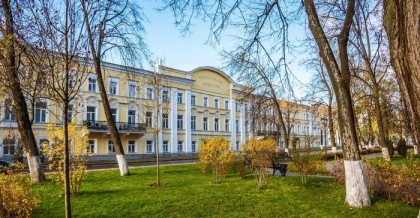
Tuition Fees: 3,95,000 RUB Yearly
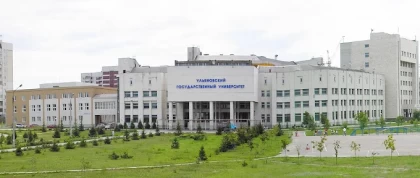
Tuition Fees: 352000 Ruble Yearly
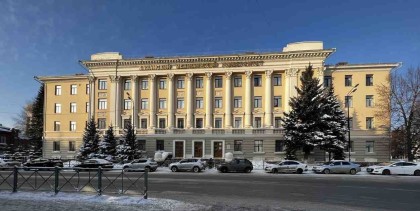
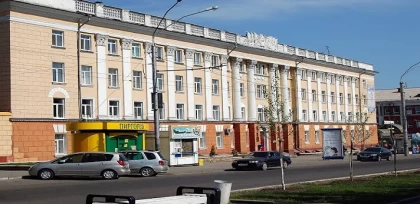
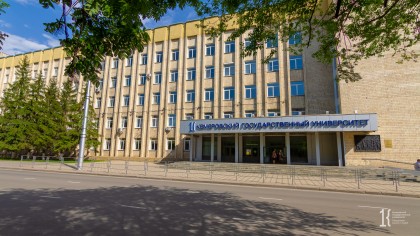
Tuition Fees: 3,35,000 Rubles Yearly
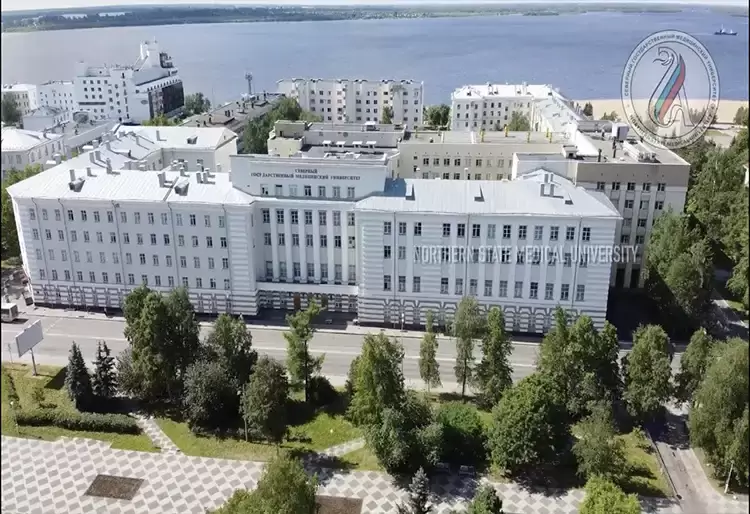
Tuition Fees: 3,50,000 Rubles
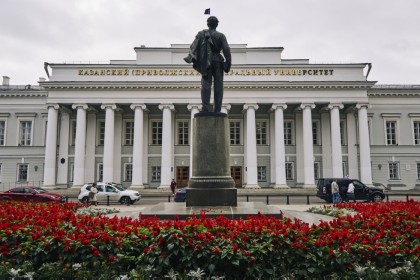
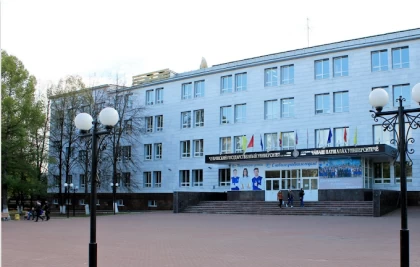
Tuition Fees: 245000 PER YEAR
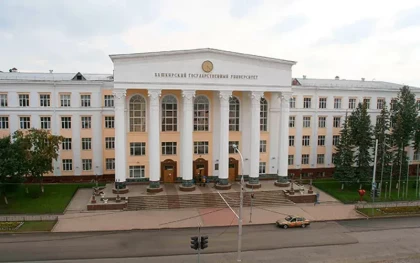
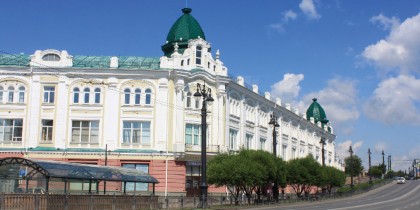
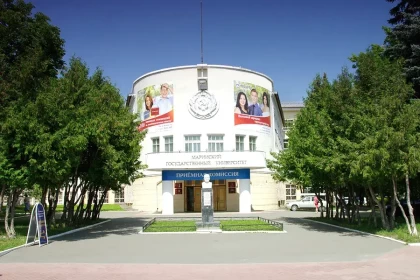
Tuition Fees: $ 2600 PER SEMESTER Rs.2,15,000
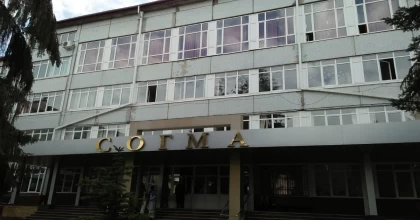
Tuition Fees: 3,10,000 Ruble Yearly
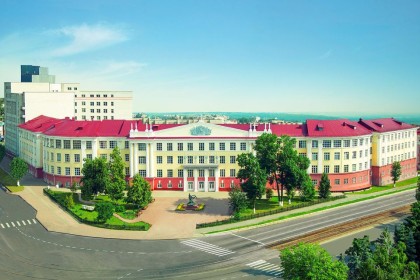
Tuition Fees: $2600 PER SEMESTER Rs. 2,16,000
Tuition Fees: 5,05,000 RUB YEAR